Our Process
Every Sail Stitch garment is crafted through a structured process that combines traditional techniques, modern quality control, and historically accurate materials.
At Sail Stitch, every garment is produced through a carefully managed process designed to ensure quality, consistency, and historical authenticity.
From the moment an order is received to the final packaging and shipment, each step is monitored by our production and quality control teams. Our goal is simple: deliver garments that meet the expectations of performers, reenactors, vendors, and historical enthusiasts.
1.) Order Confirmation & Proforma Invoice
The process begins once we receive an order from a partner or Fair vendor.


Proforma Invoice
Once confirmed, we generate a Proforma Invoice outlining the order specifications, pricing, and production schedule.
Order review
Our team reviews the order details including:
garment style and design
size breakdown (US/EU sizing)
fabric and colour requirements
accessories and trims requirement
desired delivery timeline
Once both parties agree upon payment terms, delivery timeline and specifications. We request the advance payment to commence the production.
Advance payment
2.) Fabric & Accessories Procurement
After order confirmation, the sourcing process begins. We procure fabric from our inhouse fabric shop or our trusted material suppliers.
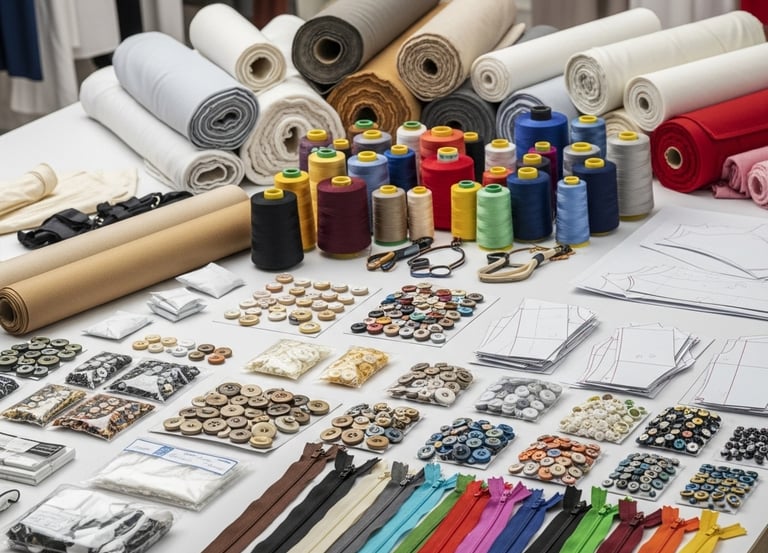
We procure
historically appropriate fabrics
trims and decorative elements
metal, bone, wood or horn buttons
cords, laces, and ties
specialty accessories required for the garment design
Wherever possible we prioritize natural breathable fabrics and historically accurate materials to maintain authenticity.
3.) Fabric Dyeing & Conditioning
Before garment production begins, fabrics are carefully prepared to ensure consistent colour and performance.
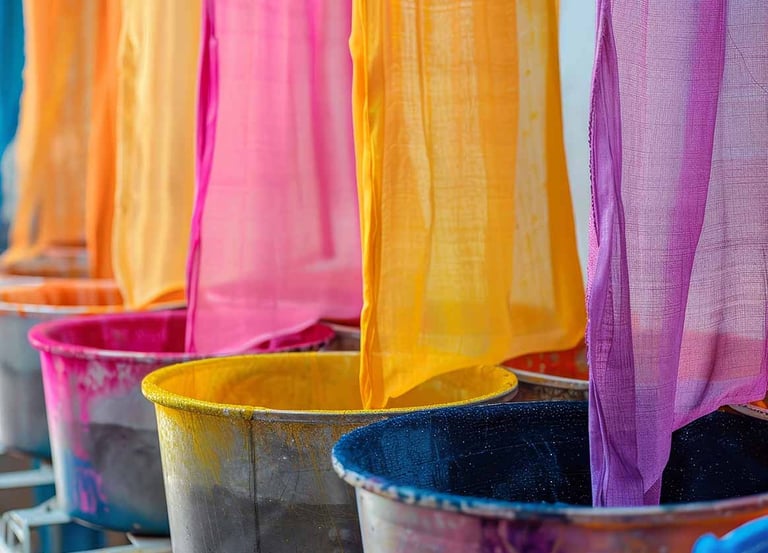
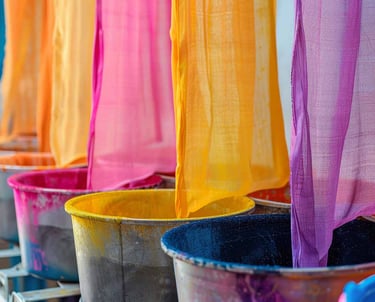
This stage may include:
fabric scouring to remove mill oils and impurities
dyeing in controlled dye baths to achieve historically inspired tones
colour fixing to improve dye durability
washing and conditioning to soften the fabric
shrinkage stabilization before cutting
These steps ensure even colour, proper fabric behaviour during cutting and stitching, and consistency across production batches.
4.) Pre-Production Quality Control
Before production begins, the materials are inspected by our quality control team.
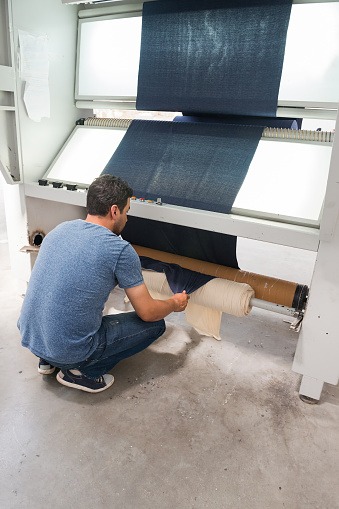
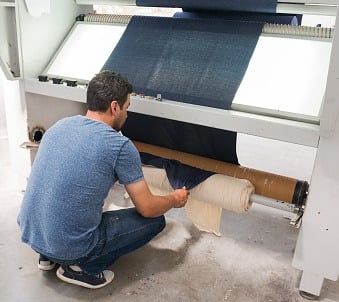
color consistency across fabric rolls
fabric strength and weave quality
dye stability
accessory quality and durability
measurement accuracy of trims and components
Size and patterns of buttons
Only materials that pass inspection proceed to production.
Checks include:
5.) Workshop Production Process
Once approved, materials are sent to the workshop where garment production begins.
The workshop process typically includes several stages.
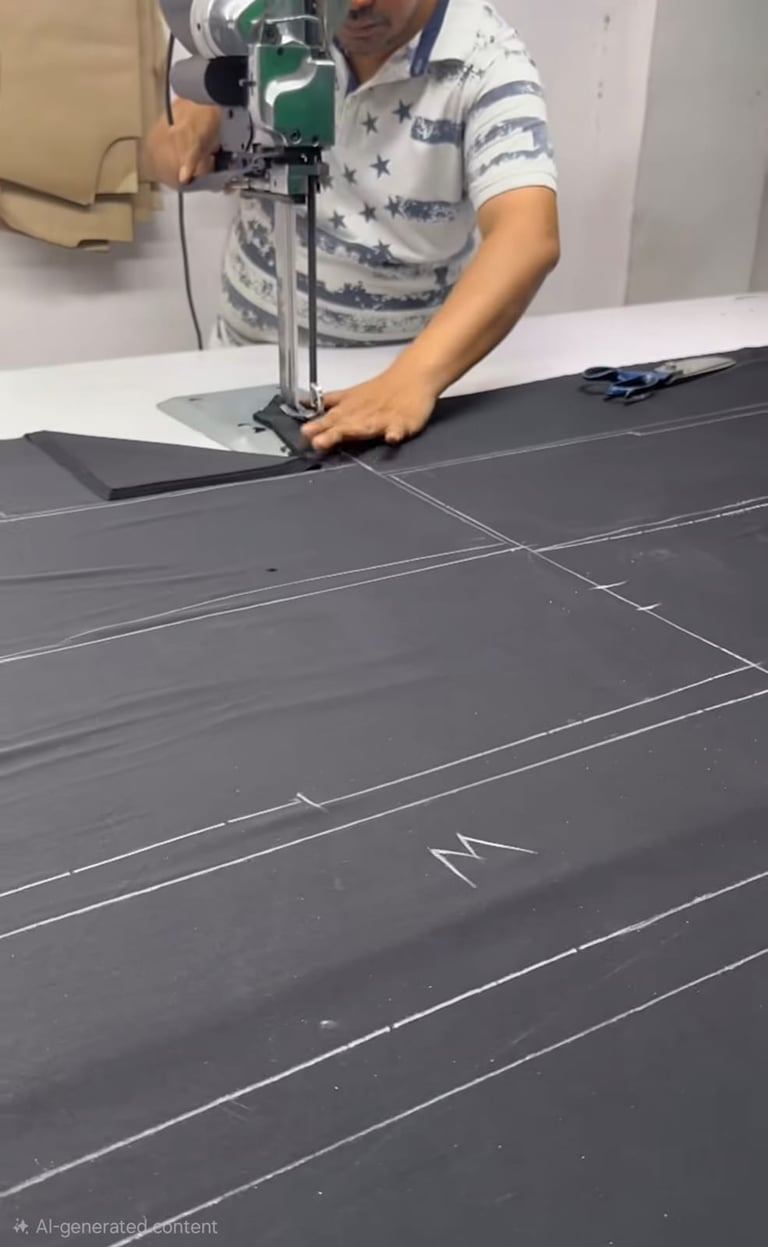
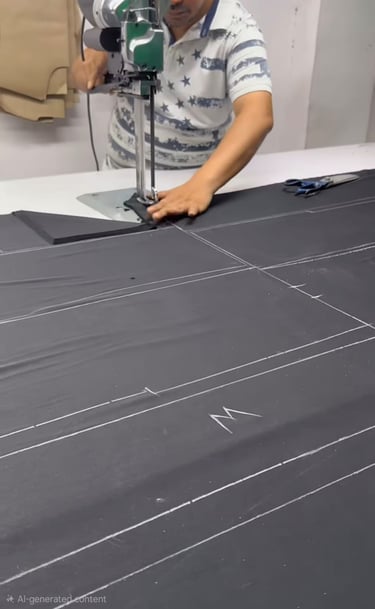
Pattern Cutting
Each garment is cut according to pre-approved patterns based on US/EU sizing standards.
Patterns are carefully laid out on the fabric to ensure:
accurate sizing
efficient fabric usage
symmetry of design elements
Precise cutting is critical to ensure consistent garment shape and fit.
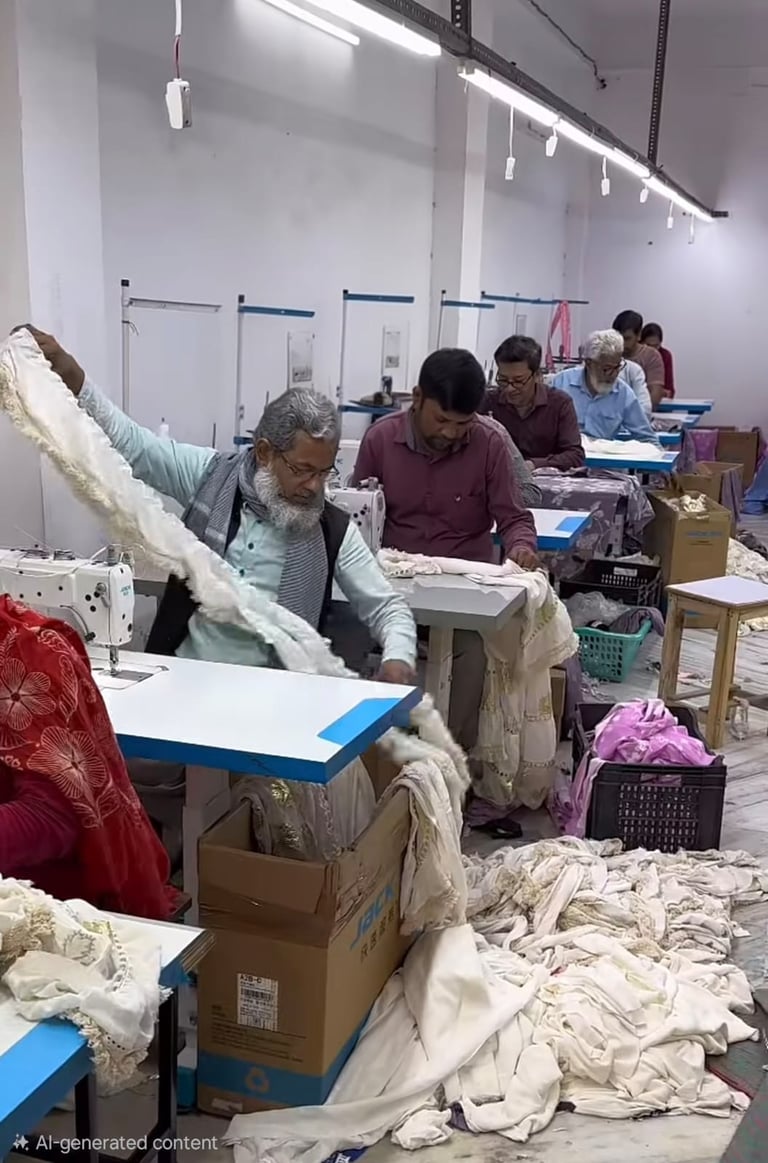
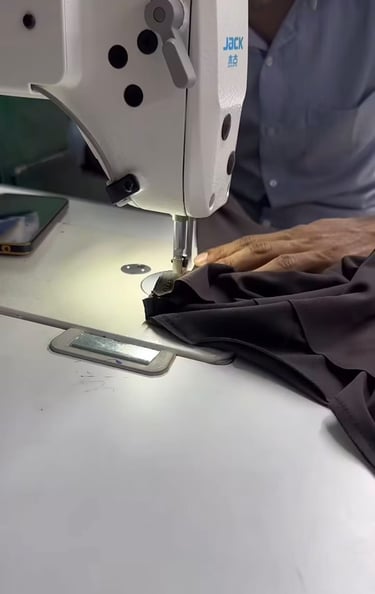
Stitching & Assembly
Once the pieces are cut, they move to the stitching stations where skilled tailors assemble the garment.
This includes:
joining major garment panels
reinforcing seams
attaching sleeves and collars
adding closures such as laces or buttons
For many historical garments, seam placement and construction techniques are chosen to replicate traditional styles while maintaining durability.
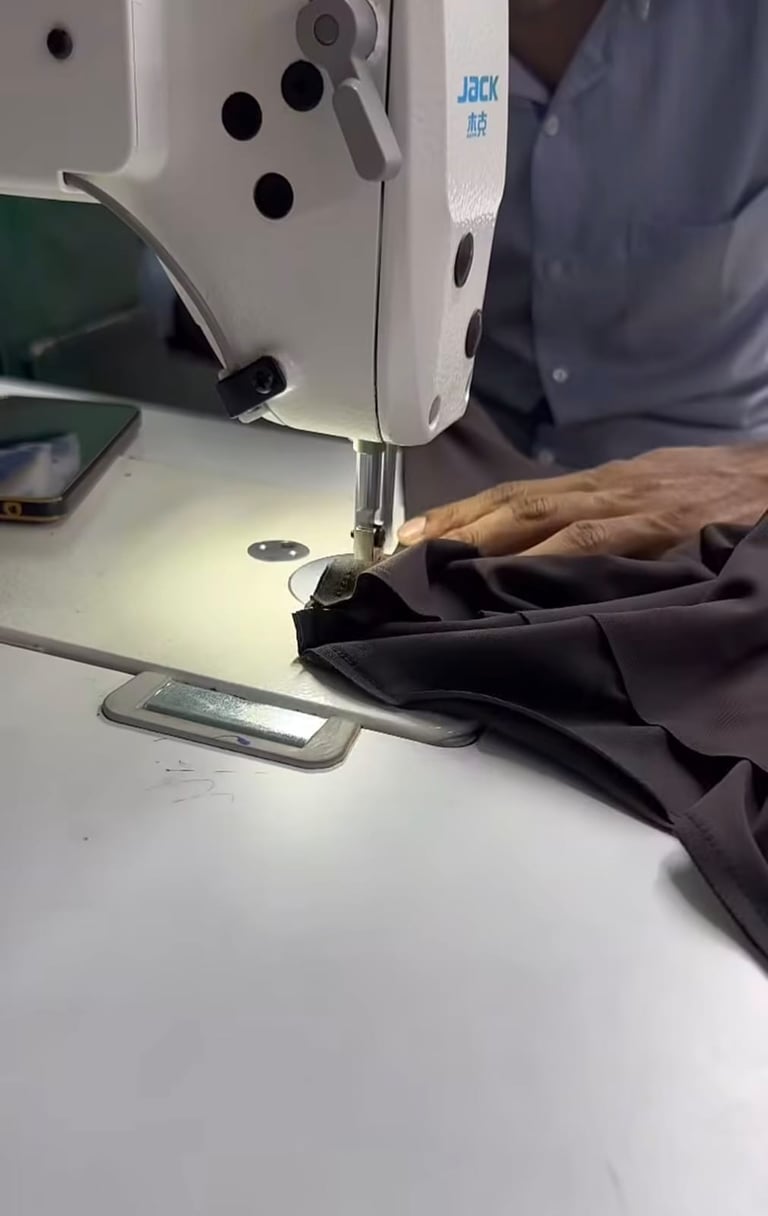
Accessories & Finishing Details
In the final assembly stage, decorative and functional elements are added.
These may include:
metal or horn buttons
lace-up eyelets
leather cords or ties
trims or decorative panels
These details bring the garment closer to its historical inspiration.
In-Production Quality Control
Quality checks are performed continuously during production.
This ensures:
stitching consistency
correct sizing
secure attachment of accessories
accurate garment construction
Any issues are corrected immediately to maintain production standards.


Once garments are completed, a final quality inspection is conducted.
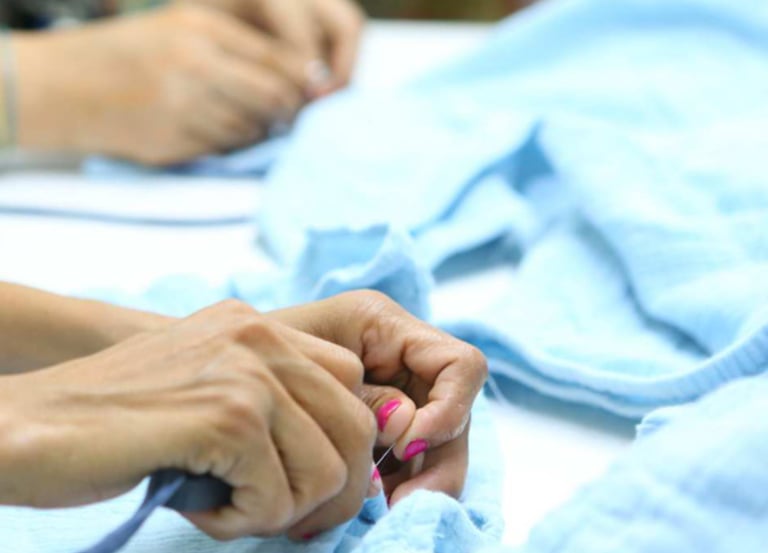
correct measurements
clean stitching
fabric defects
loose threads
stains and chalk marks
loose buttons and accessories
accessory placement
overall finish and presentation
Only garments that meet our standards proceed to packaging otherwise goes for rectification or rejection.
Each garment is checked for:
6.) Post-Production Quality Inspection
After final approval, garments are carefully packed for shipment.


products may be prepared for international export, or
made available for warehouse pickup
We work with trusted logistics partners to ensure timely and secure delivery to our clients for no extra charges.
Client may chose to pay the logistics partner directly.
Depending on the order arrangement:
7.) Packing, Final payment & Export Logistics
Once the shipment is received, we provide a feedback form to ensure our partnership remains successful.
Overall Satisfaction: Your experience with the ordering and delivery process.
Future Planning: Any suggestions or custom requirements for upcoming orders.
Quality Assurance: Identification of any manufacturing defects in the received shipment.
Resolution Strategy: Precise actions needed to rectify any issues immediately.
Resolutions: We offer hassle-free replacements for defective items. For minor corrections, we can include replacements in your next order to save on shipping costs.